Over the last year, Train Sim had 9 official releases, along with a steady stream of beta updates and behind-the-scenes work.
A release can make development look simple: add a feature, publish a version, move on to the next one. The reality is messier-and, I think, more interesting. Keeping an indie game moving forward means balancing new content with bug fixes, technical cleanup, platform work, and all the small improvements that make the game feel better over time.
The year in numbers
During the past year, Train Sim development included:
9 official releases
126 commits
More than 700 file changes
More than 100,000 lines changed
Those numbers do not tell the whole story, but they do show that a live game is never just “finished.” Even a small update can touch menus, game systems, visuals, testing, store builds, and fixes for issues players may never see.
What players saw
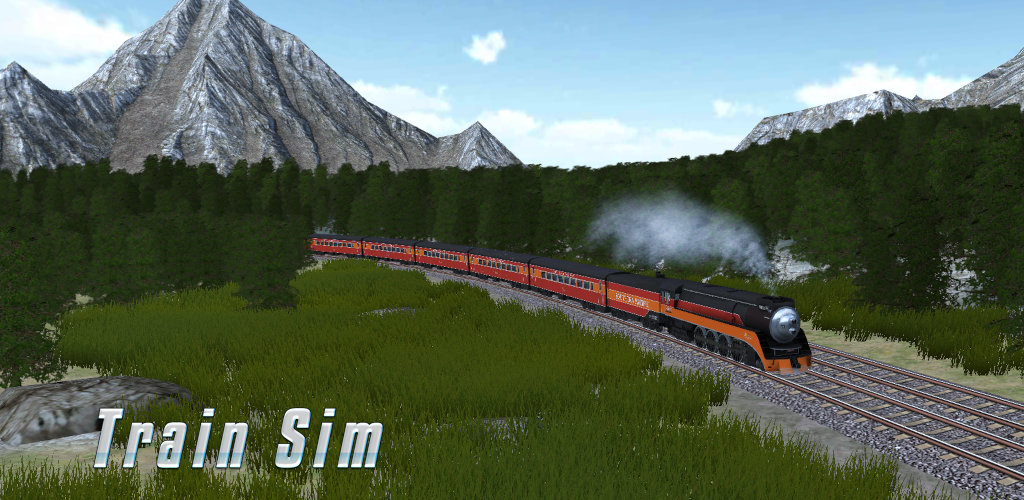
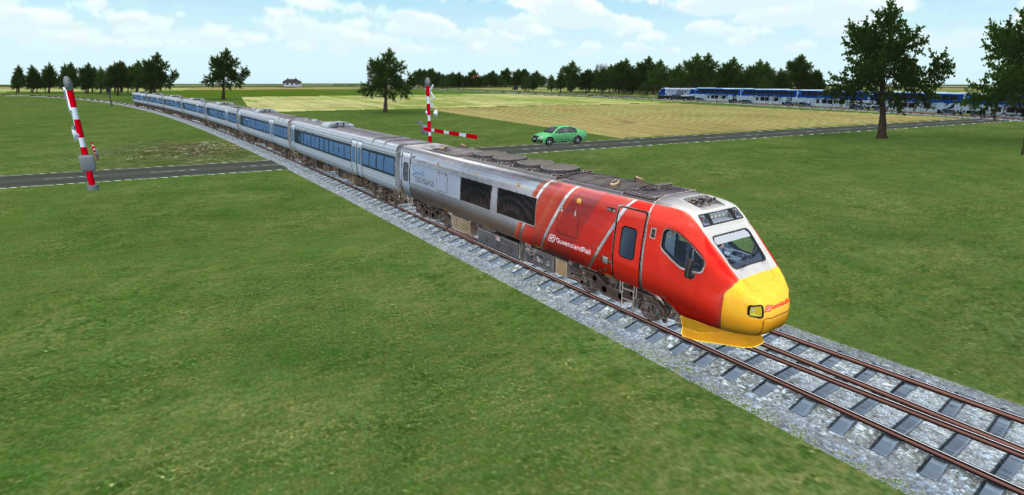
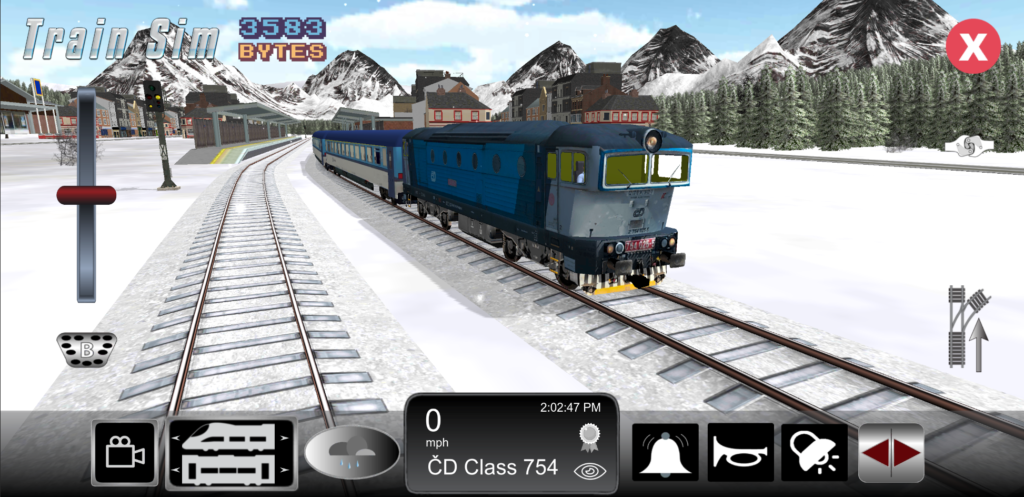
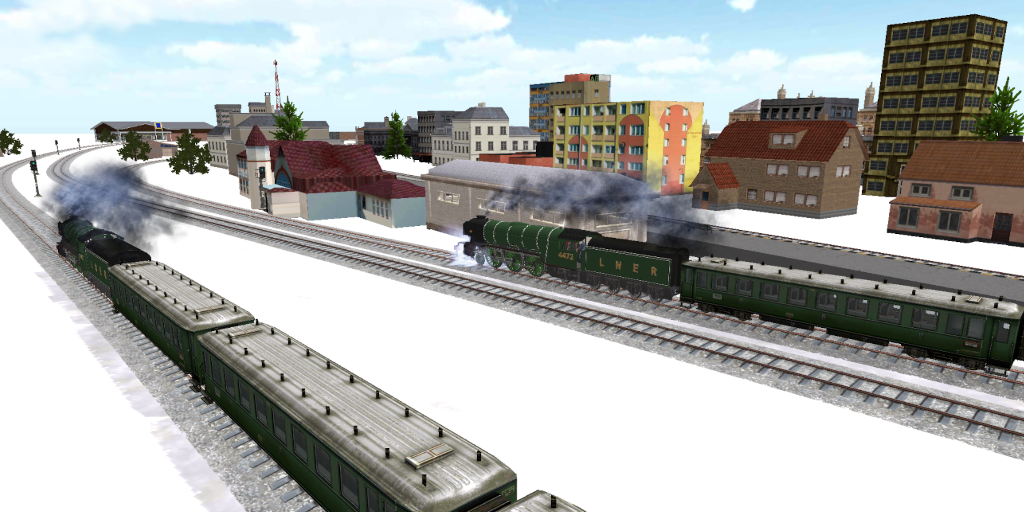
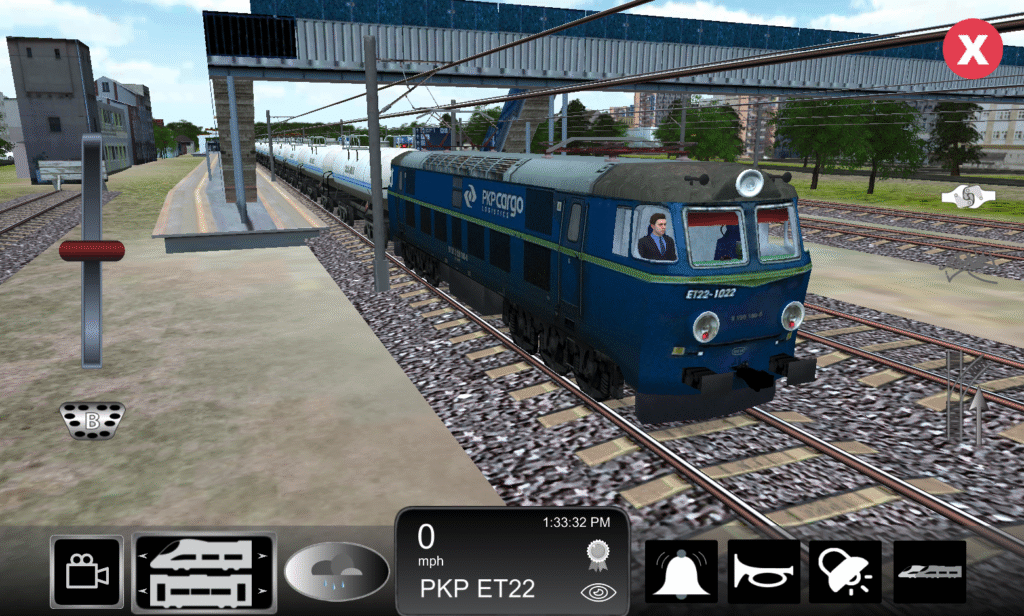
The visible part of the year included new locomotives such as the ČSD Class 754, British Class 360, and Peckett 0-4-0ST, plus a new Austria–Czech Republic themed level. There were also larger improvements to how the game works: multiplayer leaderboards, train filtering, vehicle crashes, better track switching, and updates to steam effects and the interface. Those are the changes that are easiest to point to, because they give players something new to explore or make an existing part of the game more enjoyable.
What players may not notice-but still benefit from
A large share of development was less visible. That included bug fixes, refactoring, Creative Mode improvements, build and platform work, and general cleanup across the project. This work is easy to underestimate because it rarely makes for a dramatic screenshot. But it is what helps a game stay stable as new features are added. It reduces the chance that one improvement creates three new problems elsewhere, and it gives future updates a healthier foundation to build on. For a long-running game, that maintenance is not separate from development. It is development.
Building around the rest of life
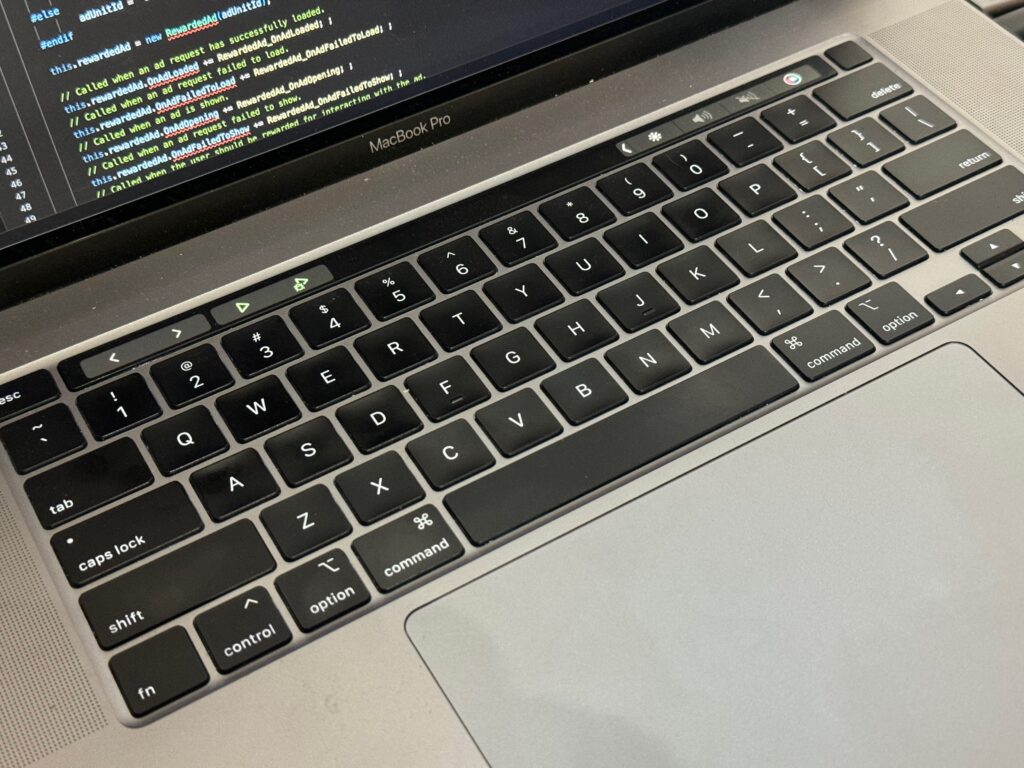
Train Sim is not made by a large studio with a full team and uninterrupted workdays. I build it alongside a full-time job and family life, often in the ordinary gaps around everything else-an evening with my MacBook open while the TV is on and the house is still busy That means progress is rarely dramatic. More often, it is a feature completed in pieces, a bug narrowed down after several evenings, or a release assembled from many small changes that gradually became a meaningful update
Over a year, those small steps added up to nine releases and a much stronger version of the game.
Looking ahead
The most useful lesson from this year has been that an indie game does not need constant giant updates to keep improving. New trains and levels matter, but so do smoother systems, fewer bugs, clearer menus, and the unglamorous technical work that keeps everything moving. That is what this year of Train Sim development really looked like: new content, maintenance, experimentation, fixes, and a lot of small decisions adding up over time.
If you have played Train Sim, thank you for being part of that process. I’m looking forward to continuing to build on it.
If you’d like to see the result of all that work, you can download Train Sim here:
I’ve been working on some major improvements to Train Sim’s Creative Mode to make building faster, safer, and more intuitive. Here’s what’s new.
A New Mode System
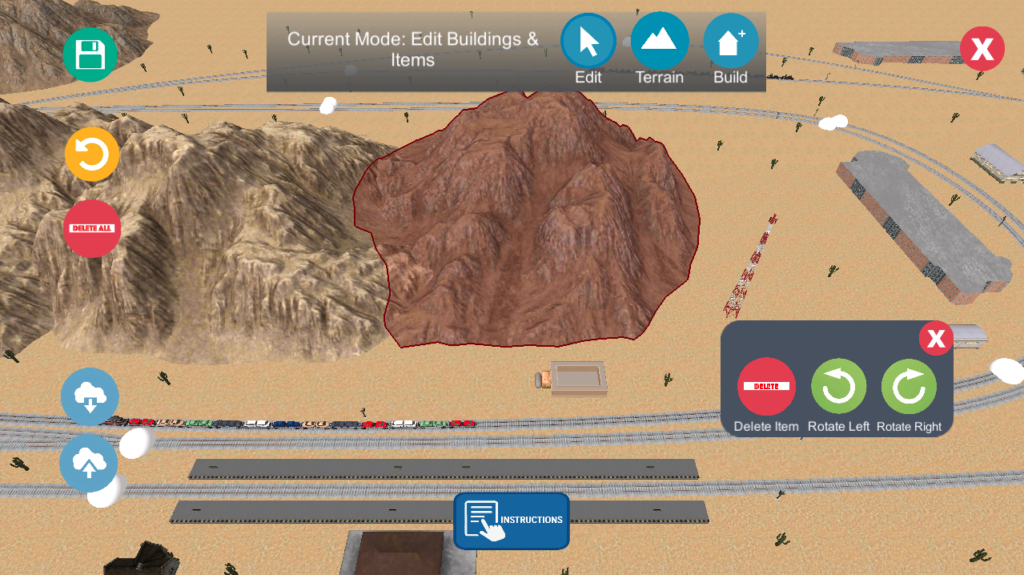
The editor now has three distinct modes, each designed to remove friction from the building process:
Build Mode Place new buildings and items without disturbing anything you’ve already placed. Existing objects are locked, so you won’t accidentally drag them while building. This was one of the most requested improvements from players.
Edit Mode Select and modify existing objects. Tap an object to move it, rotate it, or delete it. A contextual panel appears on selection, giving you quick access to all editing tools.
Terrain Mode Sculpt the terrain by raising or lowering the ground. The active tool is clearly highlighted, so you always know what effect you’re applying.
A label at the top of the screen shows the current mode, and the active mode button is highlighted for clarity.
Object Editing Improvements
Editing placed objects is now significantly more flexible:
Rotate objects Rotate any object clockwise or counter-clockwise. No more rebuilding something just because it’s facing the wrong direction.
Delete individual objects Remove exactly what you want. Previously, your only options were undoing the last action or clearing everything.
Reliable touch controls Objects now move only when you intentionally drag them. A quick tap selects instead of moving.
Improved Undo System
Undo has been completely rebuilt to be more reliable and scalable:
Undo object movement Moving an object can now be undone precisely. Implementing this revealed a subtle issue with Unity’s event ordering. Depending on timing, either the input event or the update loop could fire first, which sometimes caused undo to delete objects instead of restoring them.
Unlimited history The old system used a fixed array of 10 slots and manually shifted entries. It’s now backed by a dynamic list, allowing for unlimited undo history. This also fixed a bug where undoing the only placed object removed it visually but left behind invalid data in the save file.
Grid Snapping
Objects now snap to a grid by default when placing, making it easier to create clean, organized layouts.
Better Sharing
Shared Creative Mode levels now include terrain textures. If you build a desert, it will look like a desert when someone imports it.
This required adding new data to the share format while maintaining backwards compatibility. Older share codes still load correctly, just without texture information.
A Note on Mobile Touch
One of the more subtle bugs involved UI input “passing through” to the game. Tapping a button, like rotate, would also trigger a world interaction underneath it.
Unity’s standard fix works with a mouse but not reliably with touch input unless you pass the correct finger ID. On the frame where the finger lifts, that data can disappear entirely. This has been addressed and should work much better.
Try It Now
These improvements are available in the Train Sim Open Beta.
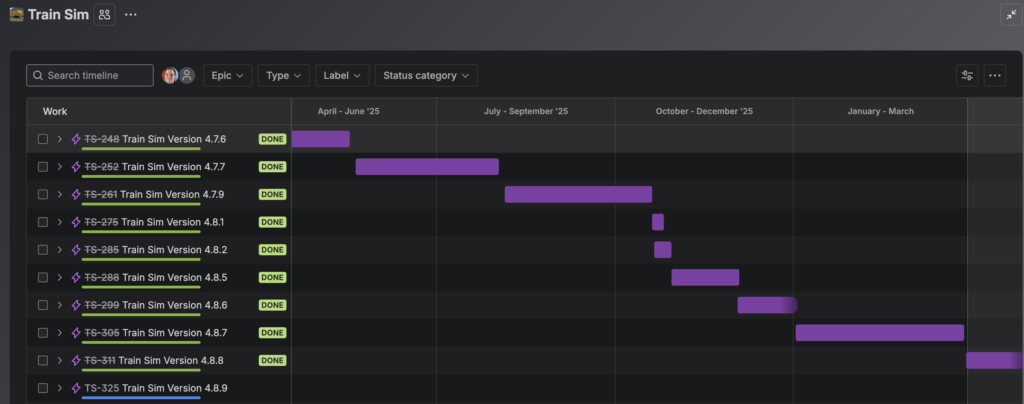
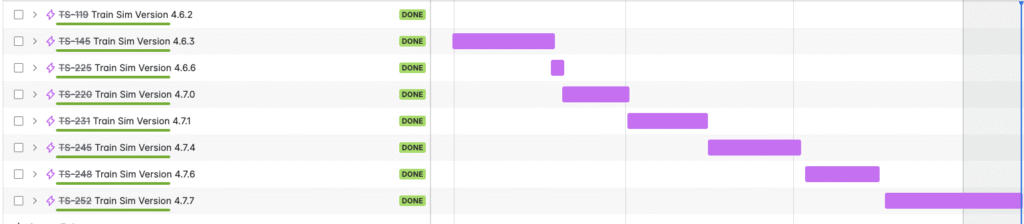
Over the past year, we’ve been hard at work delivering consistent improvements to Train Sim, and we’re excited to share a snapshot of our update timeline. From version 4.6.2 through to 4.7.7, we’ve rolled out eight major updates, each marked complete and packed with new features, fixes, and optimizations aimed at making your simulation experience even better.
What might look like simple version numbers actually reflects a lot of behind-the-scenes effort—from modeling new trains and environments to improving physics, fixing edge-case bugs, and responding to your feedback. Each purple bar in our timeline represents real progress made possible by a small but dedicated team that loves trains just as much as our players do.
Thank You for Riding With Us
We’re grateful for the continued support of our players. Your suggestions, reviews, and enthusiasm help guide our roadmap and keep us motivated. As we move into future versions, we’ll continue to prioritize quality, innovation, and the immersive realism Train Sim is known for.
Celebrating Train Sim Version 4.7.7 🚂
We’re thrilled to announce that Train Sim 4.7.7 is now live for Android & iOS
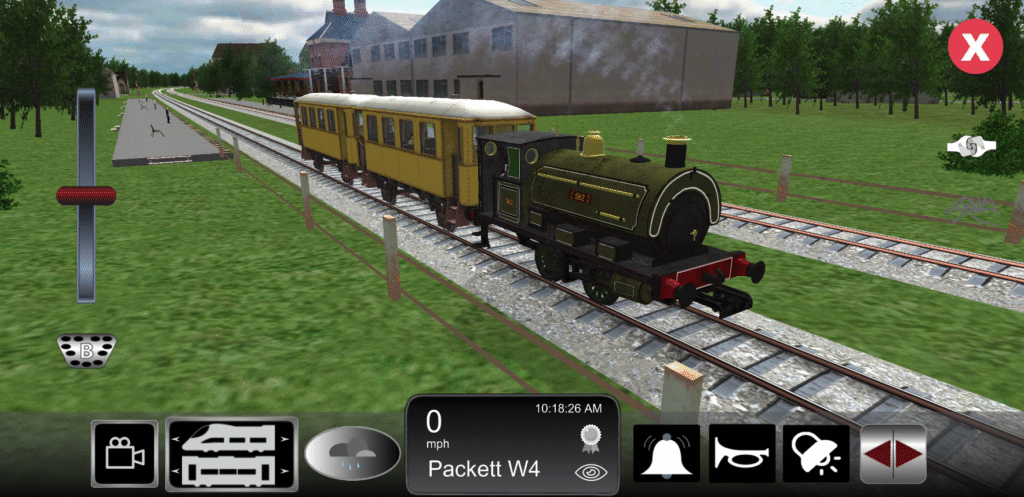
This version introduces the beautifully detailed Peckett 0-4-0ST Locomotive, a charming addition to our historic steam fleet. Alongside this, we’ve included a number of important fixes and improvements:
Resolved issues with the Class 360 and VL65 trains
Refined the Interior View UI for a smoother experience
Added new buildings to the English Country level, bringing even more life to your rural journeys
Fixed track-changing bugs to ensure seamless routing
We can’t wait for you to experience it all. Happy railroading!
Train Sim Update is now live for Android and iOS featuring a new British Class 360 and some important bug fixes.
We use cookies to ensure that we give you the best experience on our website. If you continue to use this site we will assume that you are happy with it.